
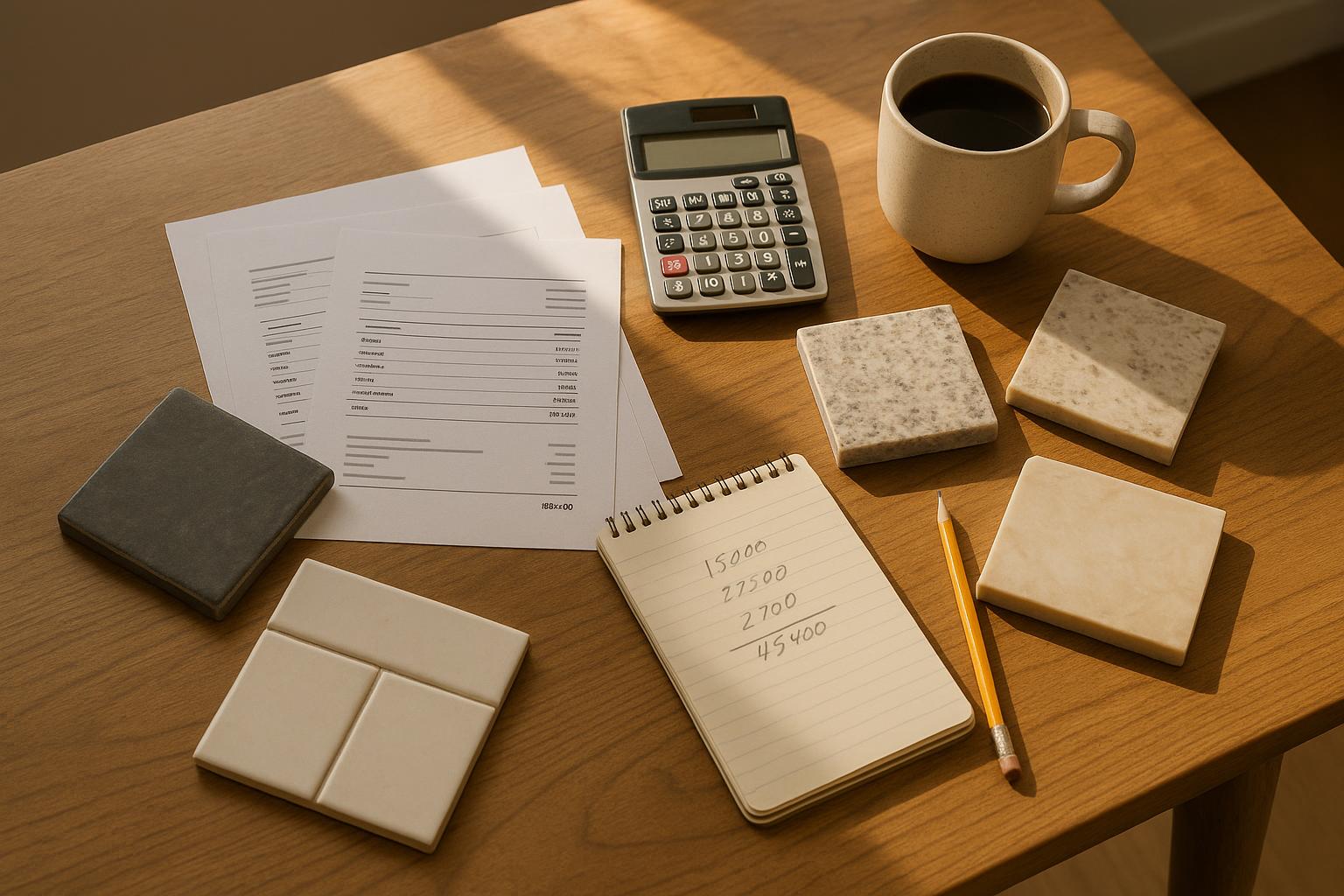
Why Budgeting Is the Most Important Step in Any Remodel
If you've ever started researching a kitchen or bathroom remodel, you've probably noticed one thing right away: the price range is enormous. One website says you can renovate a bathroom for $5,000. Another says $30,000. So what's the real number?
The truth is, every remodel is different. The cost depends on the size of the space, the materials you choose, the scope of work, and the condition of what's behind your walls. That's why setting a realistic budget before you start is the single most important thing you can do as a homeowner.
For homeowners in Hialeah, where many homes were built between the 1950s and 1990s, budgeting also means accounting for potential surprises like outdated plumbing, aging electrical systems, or water damage that isn't visible until demolition begins.
In this guide, we'll walk you through a practical approach to setting a remodel budget that protects your wallet and still gets you the results you want.
Step 1: Define What You Actually Want
Before you look at a single price tag, get clear on what you're hoping to accomplish. There's a big difference between a cosmetic refresh and a full gut renovation, and the cost gap between the two can be tens of thousands of dollars.
Ask yourself these questions:
- Are you keeping the current layout, or do you want to move walls, plumbing, or electrical?
- Do you want to replace everything, or can some elements (like cabinets or fixtures) be refinished or kept?
- What's driving this remodel — aesthetics, function, resale value, or all three?
Write down your must-haves and your nice-to-haves. This list becomes your anchor when it's time to make decisions and trade-offs later in the process.
Step 2: Research Average Costs for Your Area
National averages can give you a ballpark, but remodeling costs vary significantly by region. In South Florida, labor and material costs tend to run higher than the national average due to demand, building codes, and climate-specific requirements.
Here are some general ranges for common remodeling projects in the Hialeah area:
- Kitchen remodel (mid-range): $20,000–$50,000+
- Bathroom remodel (mid-range): $10,000–$25,000+
- Tile installation: $7–$15 per square foot (installed)
- Countertop replacement: $2,000–$6,000+ depending on material
- Interior painting: $1,500–$4,000+ depending on scope
These numbers aren't exact quotes — they're starting points to help you frame your expectations. A reputable contractor will give you a detailed estimate based on your specific project.
Step 3: Build in a Contingency Fund
This is the step most homeowners skip — and the one that causes the most stress when something unexpected comes up. And in remodeling, something unexpected almost always comes up.
Maybe your subfloor has water damage. Maybe the plumbing behind your shower wall doesn't meet current code. Maybe the tile you picked gets backordered and you need to choose an alternative. These things happen on nearly every project.
A good rule of thumb is to set aside 10% to 20% of your total budget as a contingency fund. If your planned budget is $25,000, that means keeping $2,500 to $5,000 in reserve. If you don't end up needing it, great — that money stays in your pocket. But if you do need it, you won't be scrambling to cover the cost.
Step 4: Prioritize Where You Spend
Not every dollar in your remodel carries the same weight. Some upgrades deliver major visual impact or long-term durability, while others are easy places to save without sacrificing quality.
Where to Invest More
- Countertops: This is one of the most visible and heavily used surfaces in any kitchen or bathroom. Quality materials like quartz or granite hold up better and look better over time.
- Tile work: Properly installed tile in wet areas like showers and backsplashes prevents costly water damage down the road.
- Skilled labor: Hiring experienced professionals ensures the work is done right the first time. Cutting corners on labor often leads to expensive repairs later.
Where You Can Save
- Hardware and accessories: Cabinet pulls, towel bars, and light switch plates can be upgraded affordably without affecting the overall quality of the remodel.
- Paint: A fresh coat of paint is one of the most cost-effective ways to transform a space. You don't need the most expensive brand to get a beautiful finish.
- Keeping the existing layout: Moving plumbing and electrical adds significant cost. If your current layout works, keeping it can save you thousands.
Step 5: Get Multiple Estimates — But Don't Just Chase the Lowest Price
It's smart to get two or three estimates before committing to a contractor. But when you're comparing bids, don't automatically go with the cheapest one. A low bid can sometimes mean corners will be cut, materials will be downgraded, or important steps will be skipped.
Instead, look at what's included in each estimate. A detailed, transparent quote should break down:
- Labor costs
- Material costs and specifications
- Permit fees (if applicable)
- Timeline and payment schedule
- What's included and what's not
At White Oak Construction Hialeah, we provide clear, itemized estimates so homeowners know exactly where their money is going. We believe that honest pricing builds trust — and trust is the foundation of every successful remodel.
Step 6: Understand Your Financing Options
Not every homeowner pays for a remodel out of pocket, and that's perfectly fine. There are several common ways to finance a renovation:
- Savings: The simplest option with no interest or debt involved.
- Home equity loan or HELOC: Borrows against the equity in your home, often at lower interest rates than personal loans.
- Personal loan: An unsecured loan that doesn't require home equity but may carry higher interest rates.
- Credit cards: Can work for smaller projects or specific purchases, but interest rates are typically high.
Whatever route you choose, make sure your monthly payments fit comfortably into your household budget. A beautiful new kitchen isn't worth it if it creates financial strain.
Step 7: Communicate Openly With Your Contractor
Once you've set your budget, share it with your contractor. A good contractor won't judge your budget — they'll help you make the most of it. When your remodeling team knows your financial boundaries, they can suggest smart alternatives, flag potential cost increases early, and help you stay on track.
Clear communication about money prevents misunderstandings, change-order surprises, and the frustration that comes when expectations don't match reality.
Start Your Remodel With Confidence
Setting a realistic budget isn't about limiting your vision — it's about making your vision achievable. When Hialeah homeowners take the time to plan their finances before picking up a hammer, the entire remodeling experience becomes smoother, less stressful, and more rewarding.
If you're thinking about a kitchen remodel, bathroom renovation, or any interior upgrade, White Oak Construction Hialeah is here to help you plan a project that fits your goals and your budget. Reach out to us for a free consultation, and let's talk about what's possible for your home.